English-Taught Programmes
Business, Design, Engineering, Tourism, Medicine and Health Sciences programmes in English.
World-famous universities, English-taught programmes and a rich culture at the heart of Europe.
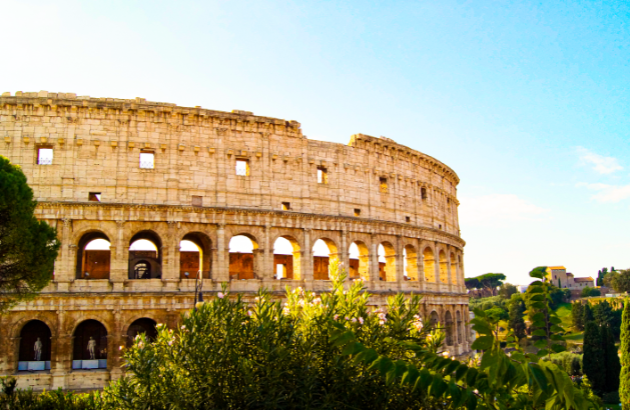 Europe
 Italy is home to some of the oldest universities in the world and offers a wide choice of programmes taught fully in English, especially at Master level.
Tuition at public universities is often much lower than in many other European countries, and regional scholarship schemes can support eligible students with fee waivers and living allowances.
Through UNICE Education Italy S.r.l., our team supports you with course selection, applications, visa documents and pre-departure preparation.
Business, Design, Engineering, Tourism, Medicine and Health Sciences programmes in English.
Public university fees are often income-based and lower than in many European countries.
Regional study grants (DSU) may cover tuition and living costs for eligible students.
A student visa for Italy also lets you travel within the Schengen Area.
We shortlist universities and programmes that match your background and budget.
We prepare and submit your application. Some programmes have an admission test or interview.
After acceptance, pre-enrolment is completed on Italy’s official Universitaly portal.
Apply for your Italian study visa (Type D) at the Italian embassy or visa centre in your country.
After arrival, apply for your residence permit (permesso di soggiorno) and enrol at the university.
For a Bachelor programme you usually need 12 years of schooling (some countries need an extra year or a foundation course). For a Master programme you need a recognised Bachelor degree in a related field.
Requirements differ by university and programme, so our counsellor will check your documents.
Most English-taught programmes ask for proof of English, such as IELTS or TOEFL. The required score depends on the university and level.
Students with a valid residence permit are usually allowed to work part-time, up to about 20 hours per week. Always check the current rules.
The main intake starts in September or October. Applications often open many months earlier, so start planning early.
Talk to our Italy team about programmes, scholarships and visas.